
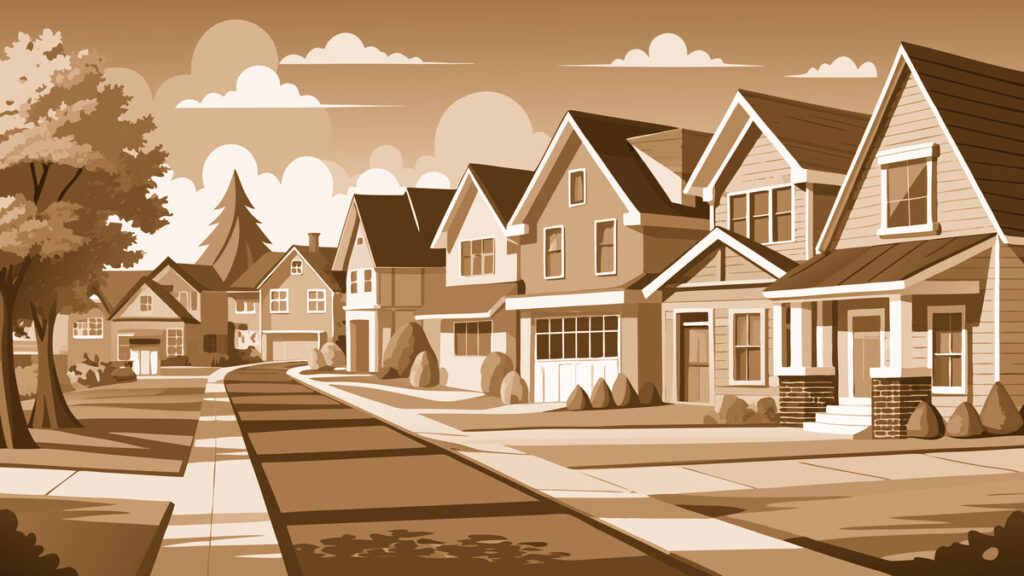
Nestled quietly in the southeastern section of Pasadena, Texas, the Ashmore neighborhood is a place where history meets heart, and neighbors become lifelong friends. For decades, Ashmore has stood as a testament to Pasadena’s unique journey from rural farmlands to a bustling, family-friendly hub. This article explores the origins, milestones, and enduring charm of Ashmore—one of the city’s cherished residential treasures.
The Origins of Ashmore: Roots in Pasadena’s Growth
The story of Ashmore dates back to the mid-20th century, when Pasadena began its rapid expansion thanks to the thriving petrochemical industry and Houston’s post-war population boom. The area that would become Ashmore was originally vast pastureland adorned with wild grasses and the iconic Texas ash trees, from which the neighborhood draws its sentimental name. Early land surveys, archived at the nearby Pasadena Public Library on Southmore Avenue, mention “ash stands near the south moor”—an old-fashioned term referencing the area’s gentle, marshy terrain.
Developers saw potential in the south Pasadena region and began carefully planning the Ashmore subdivision in the early 1970s. Streets like Ashmore Drive, Willowglen, and Trumble Lane were plotted to create shaded, welcoming avenues perfect for raising families.
How Ashmore Got Its Name
Ashmore’s name carries a dual legacy. It references both the stately Texas ash trees that dotted the original landscape, and the “moor” or lowlands that defined much of Pasadena’s early topography. According to longtime residents and records held at the Pasadena Historical Museum (on West Main), the name was officially adopted in 1973 when the first phase of homes was constructed. The combination of “Ash” and “moor” was voted on by some of the earliest homeowners, eager for a name as distinctive and warm as the community spirit they hoped to foster.
Key Historical Milestones
Like Pasadena itself, Ashmore has seen periods of dynamic change. Some of its key milestones include:
- 1973: First Homes Built
The initial homes on Ashmore Drive and Willowglen set the architectural tone—sturdy brick ranch-style houses popular in the era, many of which still stand proudly today.
- Late 1970s: Infrastructure and Connectivity
Paving of neighborhood streets and installation of sidewalks, lampposts, and drainage marked Ashmore as a forward-looking development. Easy access to Spencer Highway and Southmore Avenue gave residents convenient routes to schools and stores.
- 1984: Founding of Ashmore Civic Club
Local families, recognizing the importance of community, launched the Ashmore Civic Club. The club organized seasonal events like the annual Spring Block Party and Christmas Luminaria Walk, traditions upheld to this day.
- 1995: Community Greenspaces Established
Responding to growing families’ needs, a small park—Ashmore Pocket Park—was created near the intersection of Ashmore Drive and Willowglen, offering a peaceful haven for picnics and play.
Notable Landmarks and Institutions
Though Ashmore is primarily residential, it boasts several noteworthy spots:
- Ashmore Pocket Park: The unofficial gathering place for birthdays, family barbecues, and dog walks since its creation, the park is shaded by the very ash trees that inspired the area’s name.
- Historic Cornerstone Homes: The original brick ranches along Trumble Lane are admired for their classic mid-century design and well-tended gardens. Local residents take pride in their curb appeal, especially during the neighborhood’s Autumn Home Showcase.
- Nearby Pasadena Institutions: While not within Ashmore’s boundaries, the Pasadena Public Library and Strawberry Park (just a short drive away) are vital threads in the fabric of everyday life here, frequented by Ashmore families for generations.
Ashmore Through the Decades: Evolution Without Losing Its Heart
Over the years, Ashmore has gracefully evolved, balancing modernity with a strong sense of tradition. In the 1990s and early 2000s, younger families moved in, drawn by the reputation of nearby Thompson Intermediate School and the close-knit feel that’s become Ashmore’s hallmark. Home renovations became commonplace, updating interiors while preserving the classic exteriors Ashmore is known for.
Community involvement remains strong. The Ashmore Civic Club still hosts quarterly meetings and annual events. Yard-of-the-Month contests are a beloved fixture, with families vying to outdo each other’s holiday displays. On Halloween, Willowglen becomes a corridor of friendly ghosts and costumed children, while the December luminaria walk on Ashmore Drive sees neighbors lining the street with glowing paper lanterns—a true sight to behold.
Ashmore has also adapted to new challenges, such as weathering the impact of major Gulf Coast storms. Residents have shown resilience in the face of adversity, banding together to help each other recover after hurricanes like Ike and Harvey. This spirit of neighborliness is perhaps Ashmore’s most enduring legacy.
What Makes Ashmore Special Today
While Pasadena continues to grow and change, Ashmore’s enduring appeal comes from its unique blend of history, neighborhood pride, and tranquility. Residents cherish the way sunlight filters through old ash trees, the sound of children playing in Ashmore Pocket Park, and waves exchanged on morning dog walks.
If you stroll down Ashmore Drive on a spring weekend, you’re likely to catch neighbors chatting across driveways, hear a chorus of songbirds, and see the pride homeowners have for their lawns and gardens. Here, it’s not unusual for families to remain for decades—and for children raised on Ashmore’s safe, tree-lined streets to come back and raise families of their own.
Conclusion: A Living Heritage
Ashmore’s story is one of roots and wings—a place where deep heritage underpins an ever-evolving, welcoming community. With every passing generation, this neighborhood continues to add new chapters to its narrative, while remaining a living, breathing example of what makes Pasadena such a special place to call home.
From its humble beginnings near the “south moor” to its present as a thriving, family-oriented neighborhood, Ashmore invites you to discover, remember, and become part of its ongoing history. Whether you’re a longtime resident or just discovering this charming corner of Pasadena, one thing is certain: in Ashmore, the spirit of home endures.